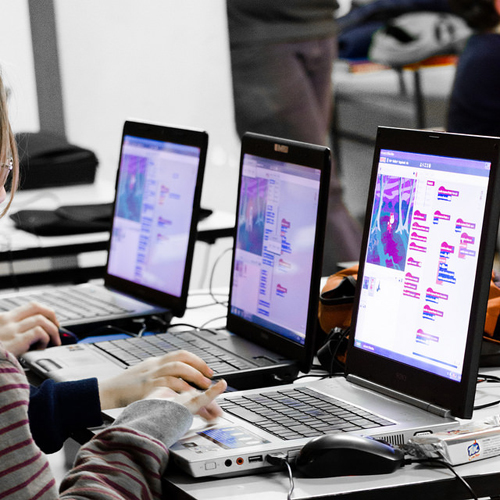
“The connection between citizenship and information technology is now fundamental today. Information technology can contribute in many ways to improving the quality of life, but the Italian mentality is still far behind America in terms of video games and the internet and how they are considered bad for society by parents and adults for no real reason.”
Gaming
Parents and most of Italy think this, but there are many aspects of video games and the internet in general that are very positive: for example, there are many facts that actually happened such as the Holocaust or other events that can be told and disclosed to many people all over the world, in fact with the internet you can access thousands of useful information in a very short time through websites. The most popular websites for news in Italy are: Geopop, Fan Page, Il sole 24 ore, Il corriere della sera, La Repubblica which generate millions of views every day. All these pages talk about current events, topics related to popular culture, entertainment and video games.
The Internet has also created new jobs (programmers, graphic designers, e-commerce, etc.) and a massification of knowledge coming from the documents of the various sites.
In video games the increase in reflexes and in making decisions very quickly and cooperation with teammates therefore socializing even with people you don’t know.
On the internet you can read books (perhaps unobtainable) by renting or purchasing them, they can be translated into any language in real time and vice versa through Google translator.
Using Google Maps could also allow you to “visit” the most dispersed countries or those that perhaps you wanted to see but never had the chance (temples, museums, important buildings, etc.) around the world.
The Holocaust
The Holocaust is a term used to describe the genocide committed by the Nazis during World War II, during which millions of people, especially Jews, were killed. The Holocaust occurred between 1941 and 1945 by the regime of Adolf Hitler.
The Holocaust in information technology is connected through digital archives of testimonies and stories of Holocaust survivors in digital format, which serve to preserve historical memory for future generations. One way is through interactive maps and QR codes that show the spread of concentration camps, ghettos and key Holocaust locations, perhaps also adding the spread of concentration camps, ghettos and key Holocaust locations.
The stumbing blocks
The Holocaust is a term used to describe the genocide committed by the Nazis during World War II, during which millions of people, especially Jews, were killed. The Holocaust occurred between 1941 and 1945 by the regime of Adolf Hitler.
The Holocaust in information technology is connected through digital archives of testimonies and stories of Holocaust survivors in digital format, which serve to preserve historical memory for future generations. One way is through interactive maps and QR codes that show the spread of concentration camps, ghettos and key Holocaust locations, perhaps also adding the spread of concentration camps, ghettos and key Holocaust locations.
1984
The book read in class “1984” is connected to information technology thanks to the various aspects that characterize the book: The government monitors people’s lives through the telescreen, exactly like today’s technology which collects our personal data through cameras, sensors and online devices. The book clarifies another very important aspect, namely the manipulation that the Ministry of Truth did to citizens, very comparable to today’s fake news and digital censorship. Finally another aspect is privacy, where in the book it is the main topic of the book and in today’s technology it can be compared to the loss of privacy we are having in recent years from the acceptance of legal terms, cookies and similar things.